Learn how to compare Tracy neighborhoods before you tour, from commute patterns and school access to lot sizes, HOA rules, and resale signals first-time buyers should spot early.

For first-time buyers, Tracy is not a market where every neighborhood feels interchangeable. Commute patterns can shift dramatically depending on whether a home offers quicker access toward I-205, I-580, or key local routes, and that matters when daily drive time becomes part of your long-term budget. School access, lot sizes, HOA rules, and the age of surrounding housing stock can also change block by block, which is why early neighborhood comparison is often more valuable than falling in love with a single listing photo.
Tracy continues to draw attention from buyers who want more space and a range of housing options while staying connected to larger job centers across the region. That mix creates a practical decision-making environment: buyers need to study resale signals, neighborhood upkeep, and nearby amenities before touring. In this guide, we break down the clues first-time buyers should notice early so they can compare Tracy neighborhoods with more confidence and fewer surprises.
For first-time buyers comparing Tracy neighborhoods, market movement matters because it changes how much leverage you have before you ever book a tour. Over the past year, Tracy has generally moved from the ultra-tight conditions many buyers remember toward a more balanced pace, with inventory improving from prior lows even as well-priced homes still attract quick interest. In practical terms, that means some neighborhoods now give buyers a little more time to compare commute routes, lot sizes, and HOA tradeoffs, while others still reward fast, prepared offers. If a home is updated, priced close to recent comparable sales, and located near major commuter routes toward the Bay Area, demand can still feel intense.
Price trends in Tracy have also become more selective. Instead of every listing rising at the same pace, buyers are seeing stronger pricing for homes with flexible floor plans, larger lots, and locations near schools, parks, or convenient freeway access. Homes that need cosmetic work, carry higher monthly HOA costs, or sit in less convenient pockets may take longer to sell or require price adjustments. That shift is useful for first-time buyers: before touring, compare recent list-price reductions, days on market, and whether similar homes in the same area are closing above or below asking. Those clues can tell you which Tracy neighborhoods still command premium demand and which ones may offer more negotiating room.
Before you book showings in Tracy, narrow your search by neighborhood clues that affect daily life and future resale. First-time buyers should compare commute routes to I-205 and I-580, school access, lot sizes, HOA rules, parking, and how close each home sits to parks, shopping, and newer development. A polished kitchen can distract from practical tradeoffs, so it helps to review disclosures, recent comparable sales, and monthly ownership costs before getting emotionally attached.
In a market where well-priced homes can draw fast attention, preparation matters. Buyers who speak with BuyerFirst Real Estate & Lending early can line up financing guidance alongside home search strategy, which helps clarify budget, payment range, and timing before offers are written. That integrated approach makes it easier to compare Tracy neighborhoods with a clear plan, ask sharper questions during tours, and move quickly when the right home checks both lifestyle and long-term value boxes.
For first-time buyers comparing Tracy neighborhoods, seller behavior can reveal just as much as the home itself. A property priced close to recent comparable sales often suggests the seller understands current demand, while a home that starts high and then cuts price may indicate either over-optimism or weaker buyer response in that pocket of Tracy. Before touring, look at how long similar homes have stayed on the market, whether listings are getting quick reductions, and how presentation varies from one area to another. Clean photos, neutral staging, and a well-prepared exterior usually signal a seller who is serious about attracting strong offers and protecting value.
These details also help buyers read resale potential. In neighborhoods where sellers invest in staging, repairs, and realistic pricing, you are often seeing stronger standards that can support future value when it is your turn to sell. BuyerFirst Real Estate & Lending helps clients study Tracy listing patterns, compare neighborhood-by-neighborhood pricing, and evaluate whether a home is positioned competitively or masking issues behind cosmetic updates. That guidance matters when you are weighing commute access, lot size, HOA expectations, and long-term resale strength before getting emotionally attached to one address.
For first-time buyers comparing Tracy neighborhoods, support matters most before a showing is ever scheduled. BuyerFirst Real Estate & Lending helps clients connect the neighborhood clues discussed in this article to real decisions: commute routes toward the Bay Area or Central Valley job centers, school access, lot size tradeoffs, HOA rules, and the resale signals that can affect long-term value.
Because the company combines residential real estate service with lending guidance, buyers can evaluate affordability and location at the same time instead of treating financing as a separate step. That is especially useful in Tracy, where one neighborhood may offer a different monthly payment picture than another once taxes, HOA dues, and home condition are considered. Sellers also benefit from this practical approach, since pricing, prep, and buyer demand are easier to understand when local market context and financing realities are reviewed together. The result is clearer planning, fewer surprises, and better questions asked early.
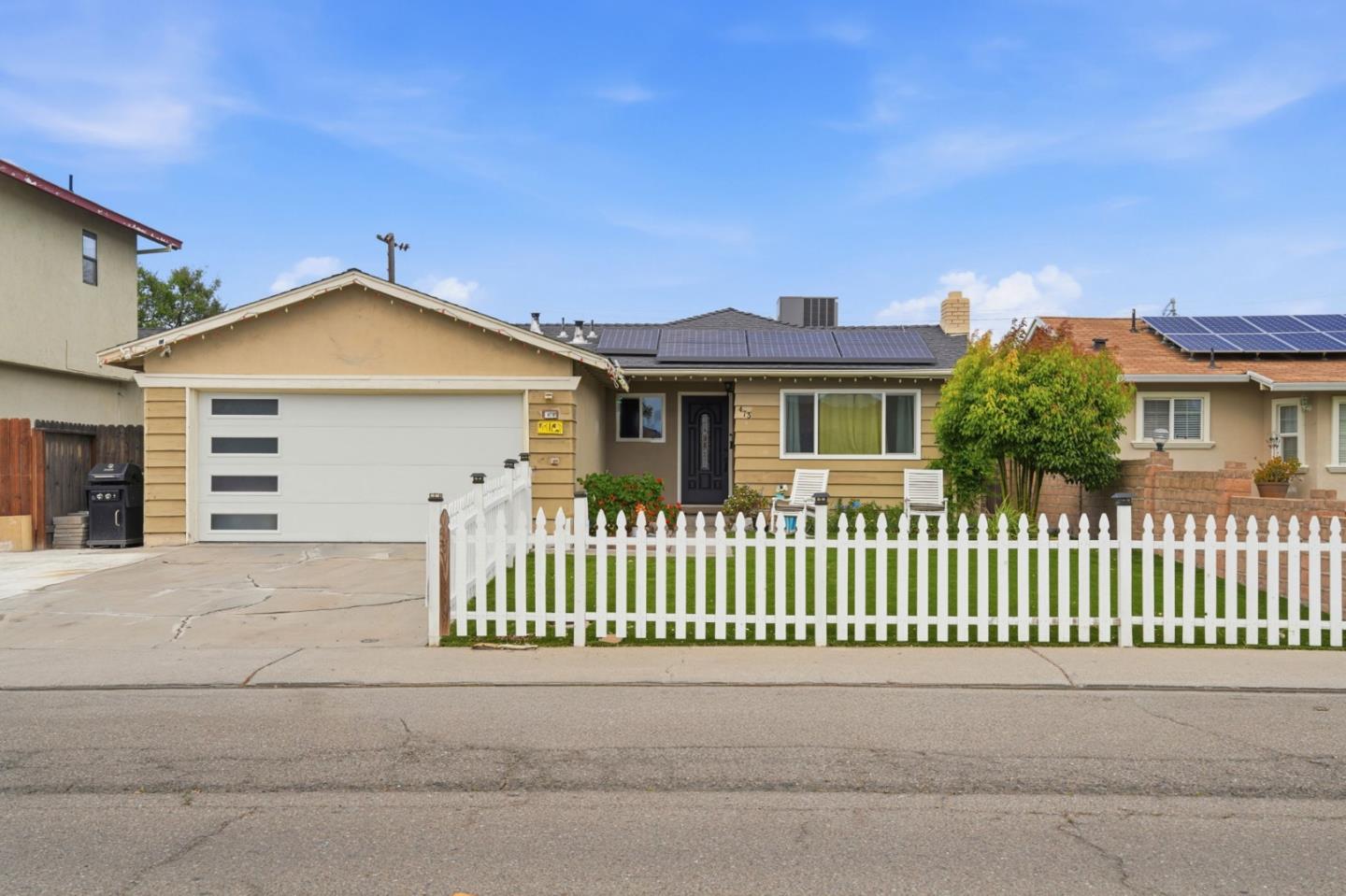
Tracy Homes First-Time Buyers Can Compare
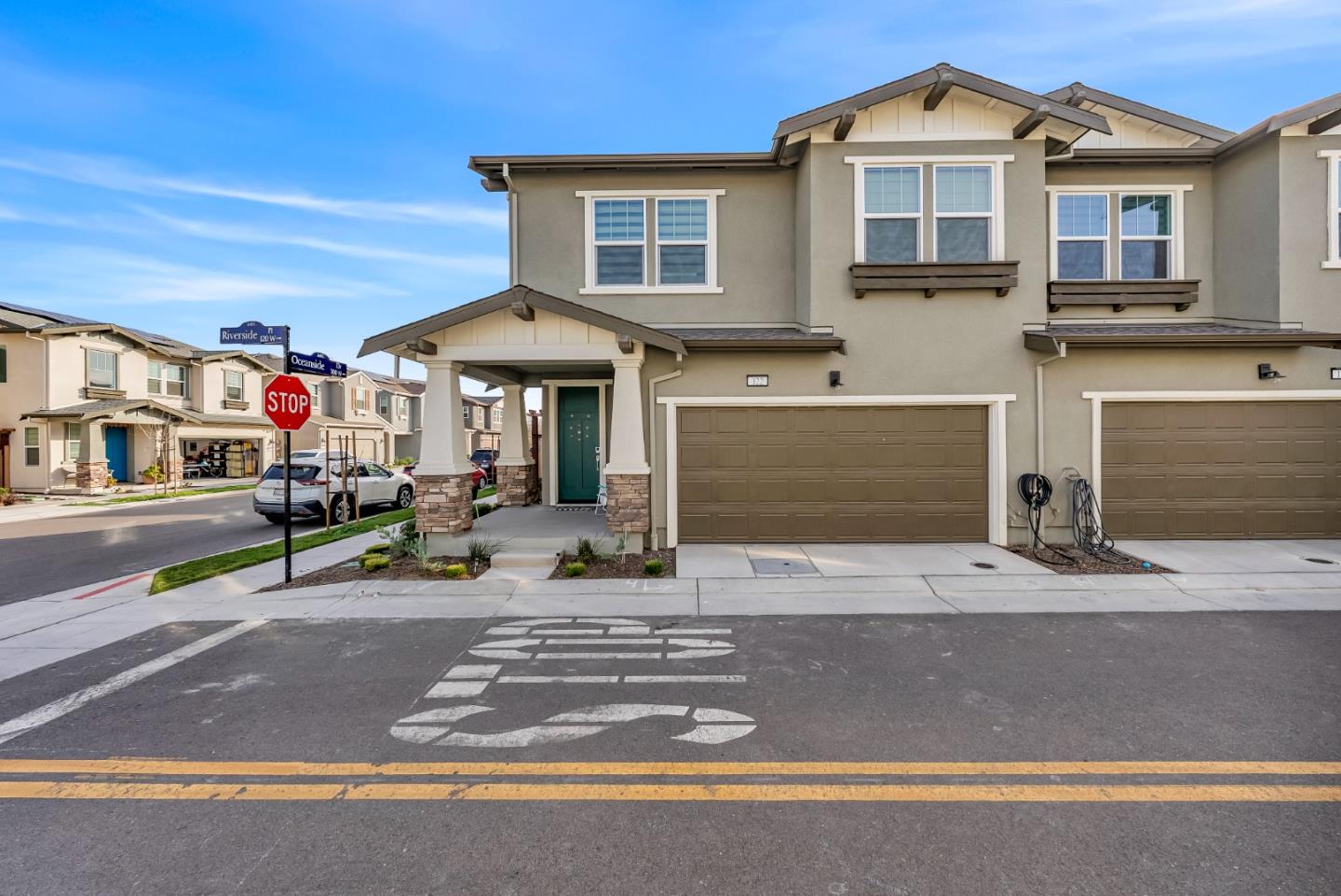
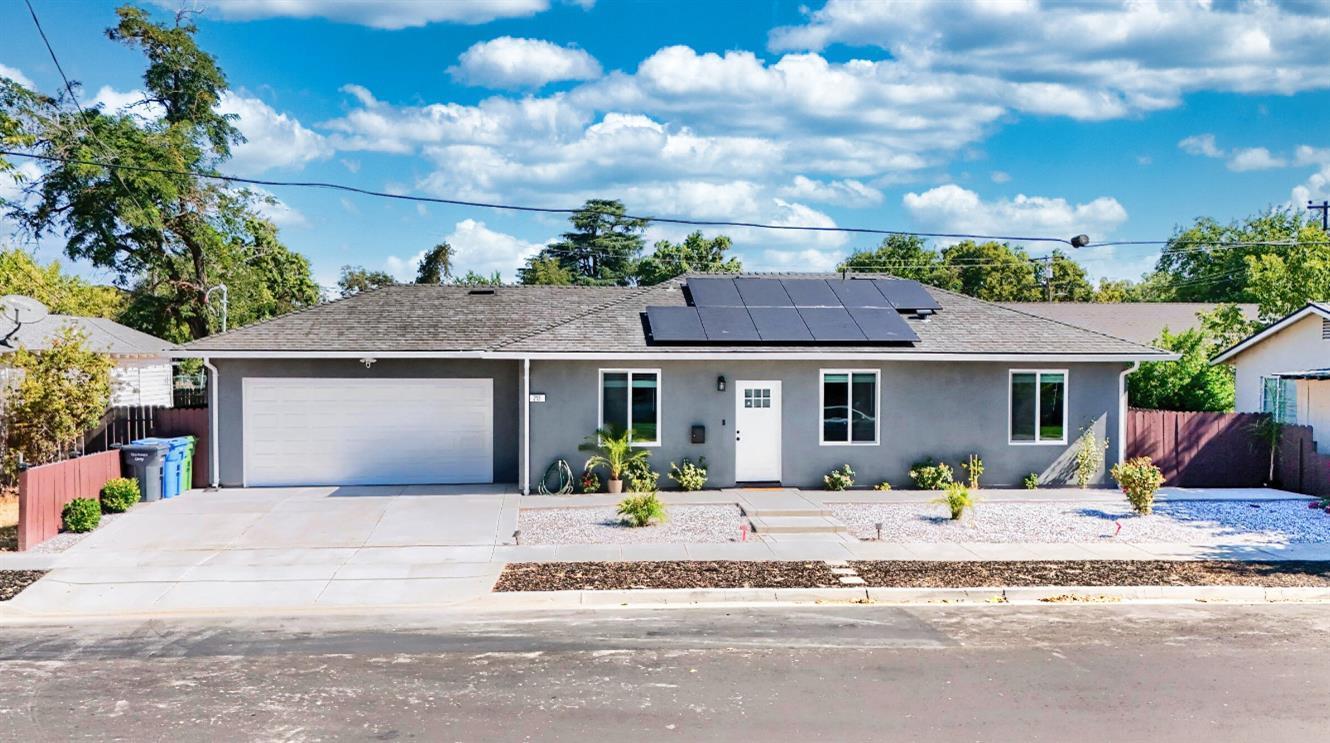
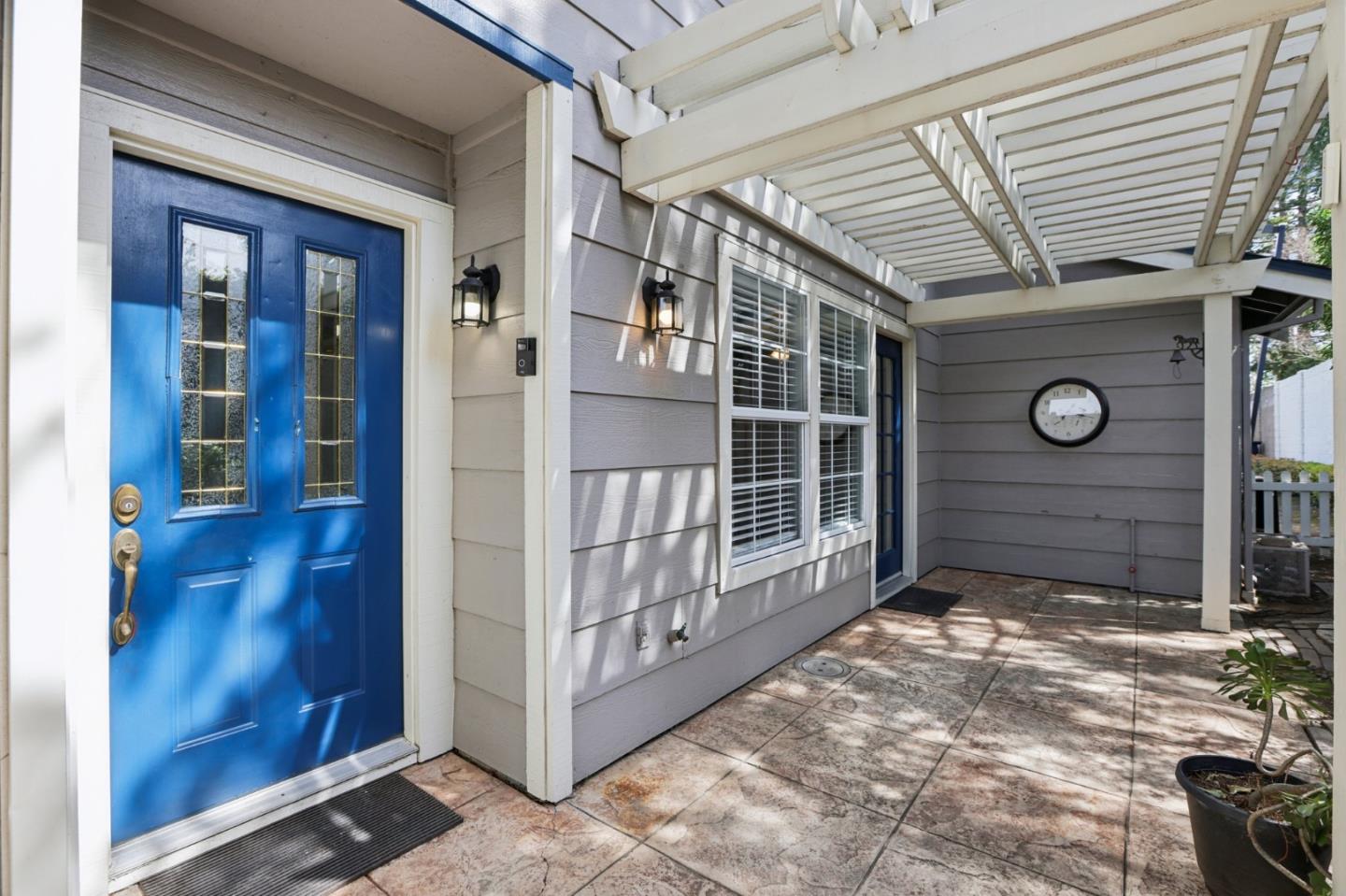
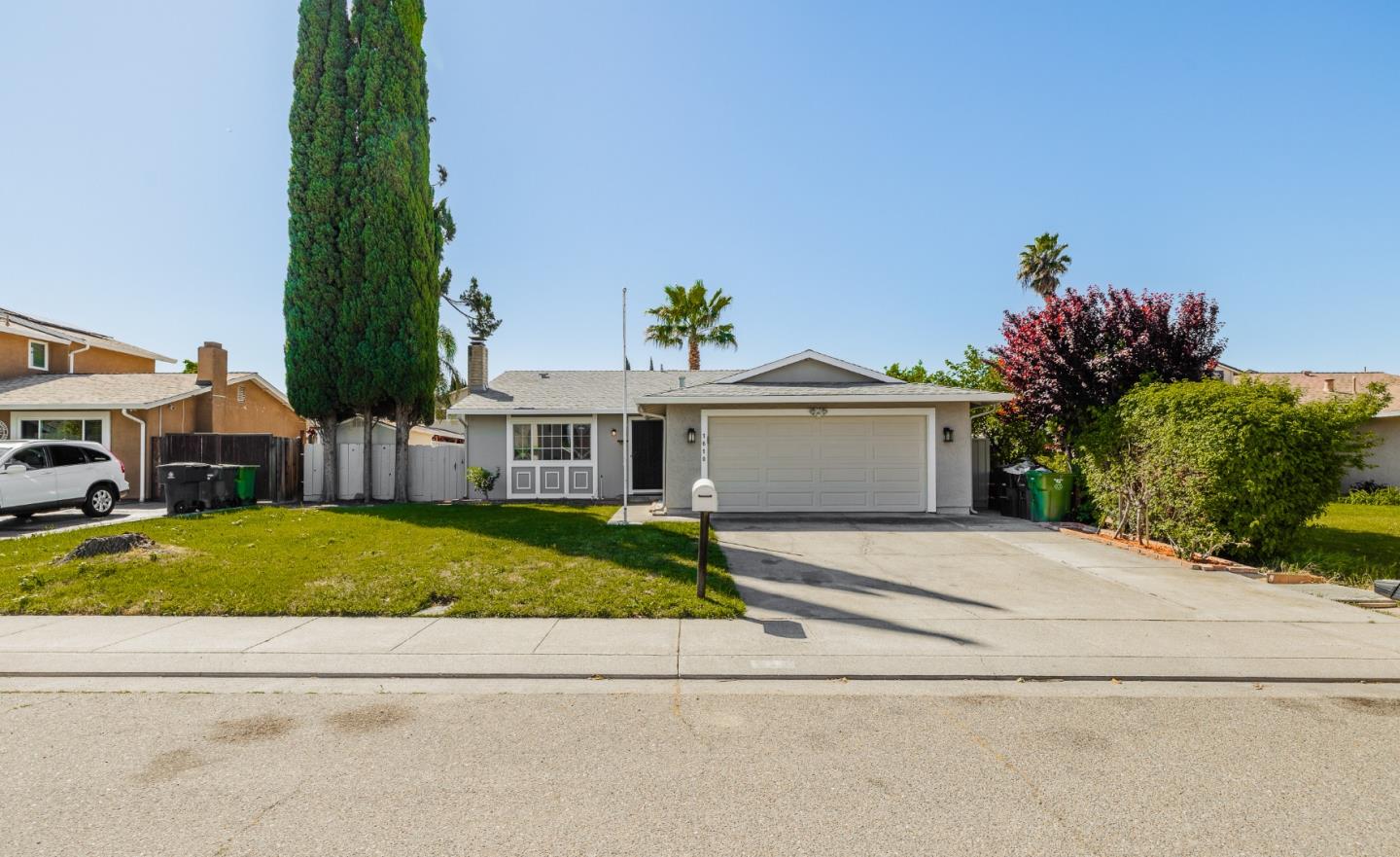
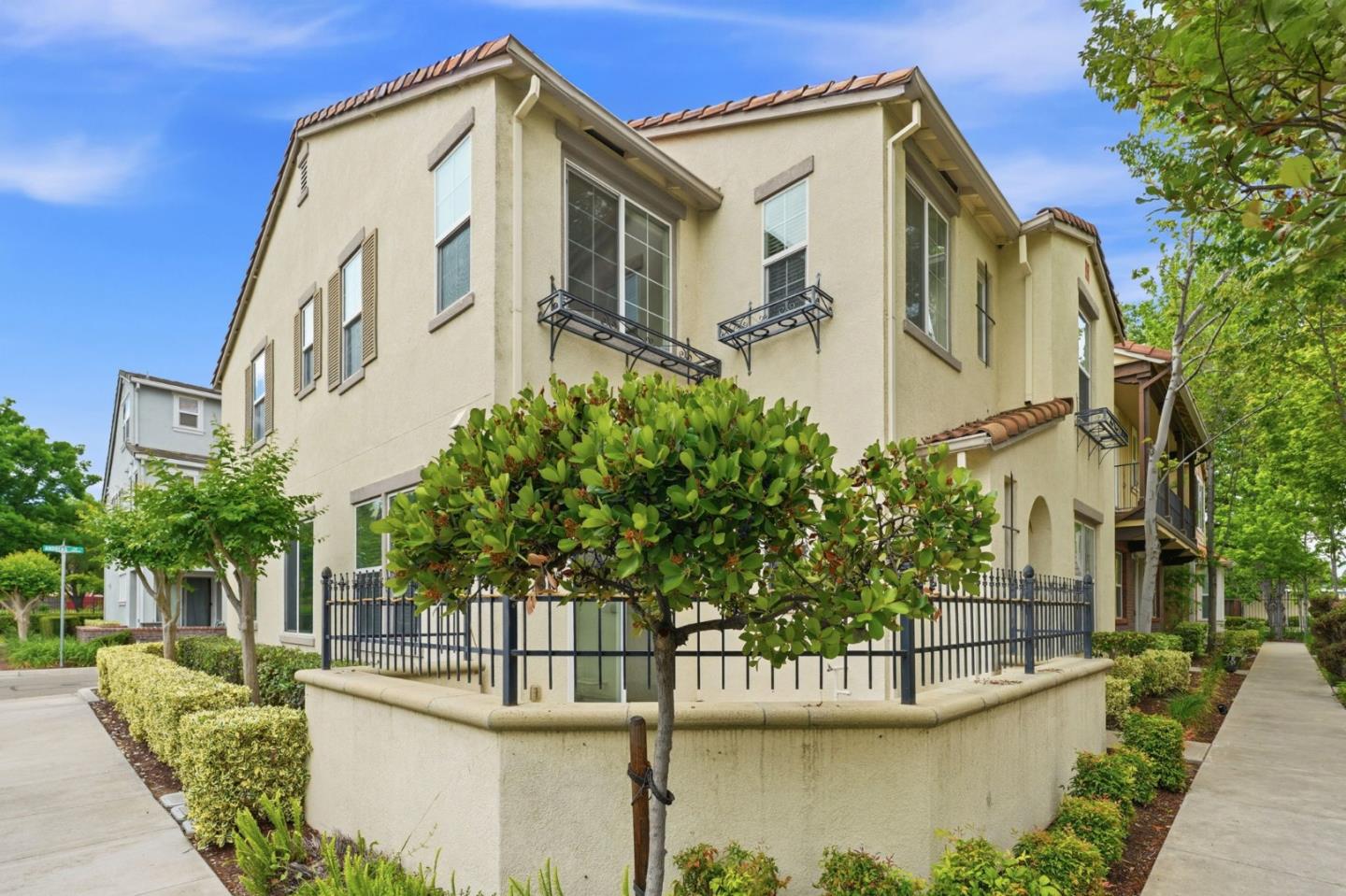
Browse active Tracy homes that fit common first-time buyer priorities, including practical price points and space for comparing neighborhoods before touring.
Listing Agent: Chinnappa Pasam
Listing Office: Vinpaul Corporation
Listing Agent: Gregory Chen
Listing Office: KW Silicon City
Listing Agent: The Jamison Team
Listing Office: Tuscana Properties
Listing Agent: Gurpriit Atwal
Listing Office: Intero Real Estate Services
Listing Agent: Erica Wong
Listing Office: 168 Realty
Listing Agent: Manuel Jaimes
Listing Office: Coldwell Banker Realty
Sign in with your email address
You’re being redirected to the page with listing data.